Fibroids
Symptoms, assessment, options and preparation for your visit.
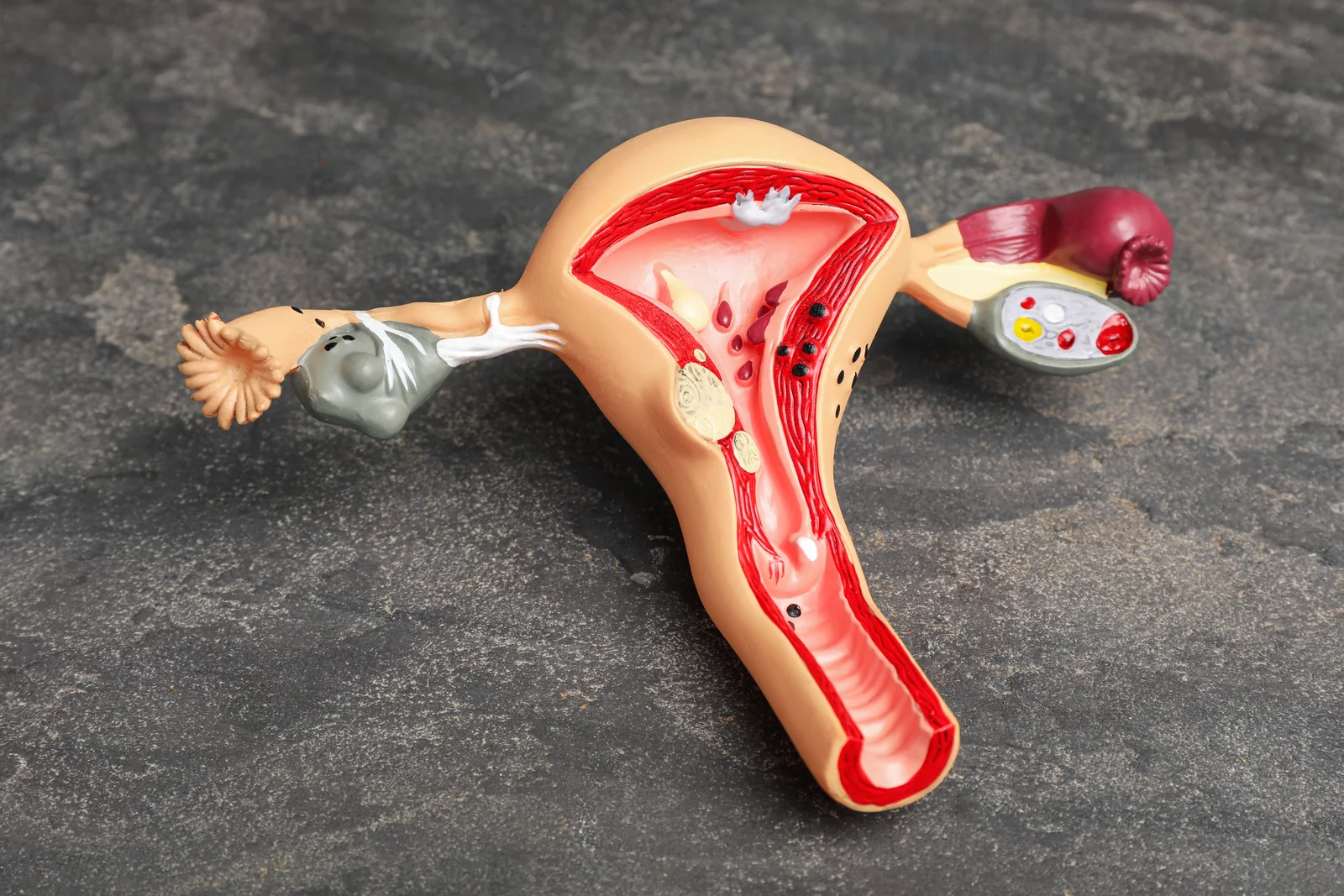 Illustrative image
Fibroids are benign growths arising from the uterine muscle. Size and location can affect bleeding, pressure and pregnancy plans; not every fibroid causes symptoms.
Symptoms and starting the conversation
When symptoms started, how often they recur and their effect on everyday life matter. The examples below are topics you can discuss; they do not establish a diagnosis on their own.
- Heavy or prolonged periods
- Pelvic pressure or pain
- Questions about pregnancy plans
How is assessment approached?
Bleeding, pain, ultrasound findings and fertility wishes are considered together. Anaemia associated with heavy bleeding may also be investigated. Size alone does not determine a need for surgery.
Which options are discussed?
Some fibroids without symptoms can be monitored. Bleeding treatments and suitable procedures are discussed according to location and individual plans. Uterine preservation and future pregnancy wishes matter.
Risks, limitations and follow-up
No method is assumed to suit everyone. If medication or a procedure is considered, assessment includes health history, possible pregnancy and current medication. Discuss potential side effects, alternatives and follow-up. Worsening or new symptoms are reasons to review the plan.
Preparing for your visit
Note when symptoms started, their triggers and their effect on your life. Bring available examination or operation reports and a medication list. Prepare questions about options, the purpose of tests, benefits and risks. Do not enter health records into appointment or contact forms.
Location matters as well as size
Fibroids projecting into the cavity, within the muscle or on the outer surface can have different effects. Two fibroids of similar size may cause different symptoms. Bleeding, anaemia, pressure and pregnancy plans guide decisions.
Observation, bleeding-control medicines and procedures serve different purposes. Removing a fibroid differs from hysterectomy. Discuss uterine preservation, recurrence and implications for future pregnancy.
Frequently asked questions
Does a fibroid mean I need surgery?
No. Symptoms, location, changes and pregnancy plans are considered. Monitoring may be sufficient for some fibroids.
Can I diagnose myself using this page?
No. Similar symptoms may have different causes. This information helps you prepare for consultation; individual diagnosis and care require assessment.
Make your plan clear.
- Note when symptoms began and how often they recur.
- Ask the purpose of any investigation and how the result changes the plan.
- Clarify how results will be communicated and when follow-up is due.
Follow-up, care and return to everyday activities depend on assessment and the approach chosen. Before leaving, clarify the next step and how to contact the clinic.
Prepare your own list.
Select topics, write your notes in the fields below and download your personal preparation list as a PDF.
Your notes stay on this page; they are not sent to the clinic or saved. They are cleared when you close the page. The PDF may contain personal information; keep it on your own device.