 Illustrative image
Assessment of bladder, bowel and vaginal support concerns, focused on symptom patterns and their effect on daily life.
Describe the full picture
Discuss leakage, frequency, pressure and bowel habits together. Explain your main concern and changes through the day. Previous births and operations can be relevant. These are appropriate topics to raise without embarrassment.
The purpose of examination
An examination when needed can provide information about support and muscle function. Ask how it is performed and what it aims to assess. Share privacy preferences and concerns, and request a pause when needed.
An individual plan
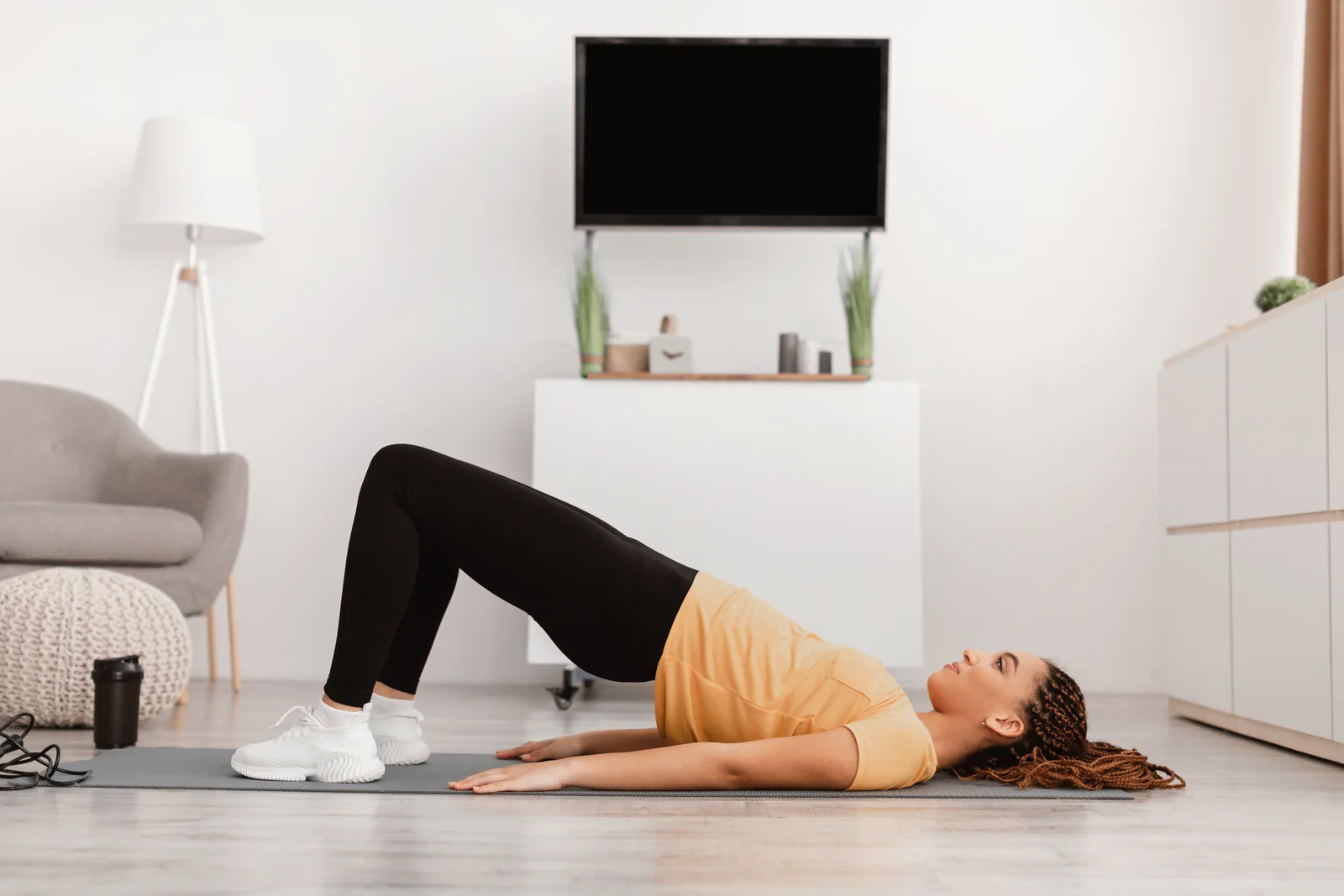
An exercise or treatment suitable for one person may not suit another. Assessment may lead to supportive care, further checks or another specialist. Ask the purpose and practical instructions for each recommendation rather than building a plan from an online exercise list.
Describing change at review
Note what has become easier or harder since the last visit. Share practical difficulties with the plan. Comfort in daily life cannot be measured by one test alone. Seek assessment of new pain or marked emptying difficulties rather than waiting for routine review.
Understand the reason and limits of each test
Leakage, pressure, pain and bowel symptoms may need different investigations. Examination can assess support and muscles; urine testing, residual measurement or urodynamics are added for a specific clinical question. Not everyone needs every test.
Respect privacy, consent and pain control. Findings should be considered alongside personal goals, rather than using a stage or test number alone to decide treatment.
Common questions
Is there one exercise list for everyone?
No. Advice may vary with assessment and individual needs.
Make your plan clear.
- Note the situations in which leakage happens.
- Discuss how urinary symptoms affect everyday life.
- Ask how progress will be assessed.
Follow-up, care and return to everyday activities depend on assessment and the approach chosen. Before leaving, clarify the next step and how to contact the clinic.
This information does not replace individual medical advice. Diagnosis and treatment require clinical assessment. For emergencies in Türkiye, call 112.
 Illustrative imageSukgen · Women’s health
 Illustrative image
 Illustrative image
 Illustrative image
 Illustrative image