Vaginal vault prolapse
Symptoms, assessment, options and preparation for your visit.
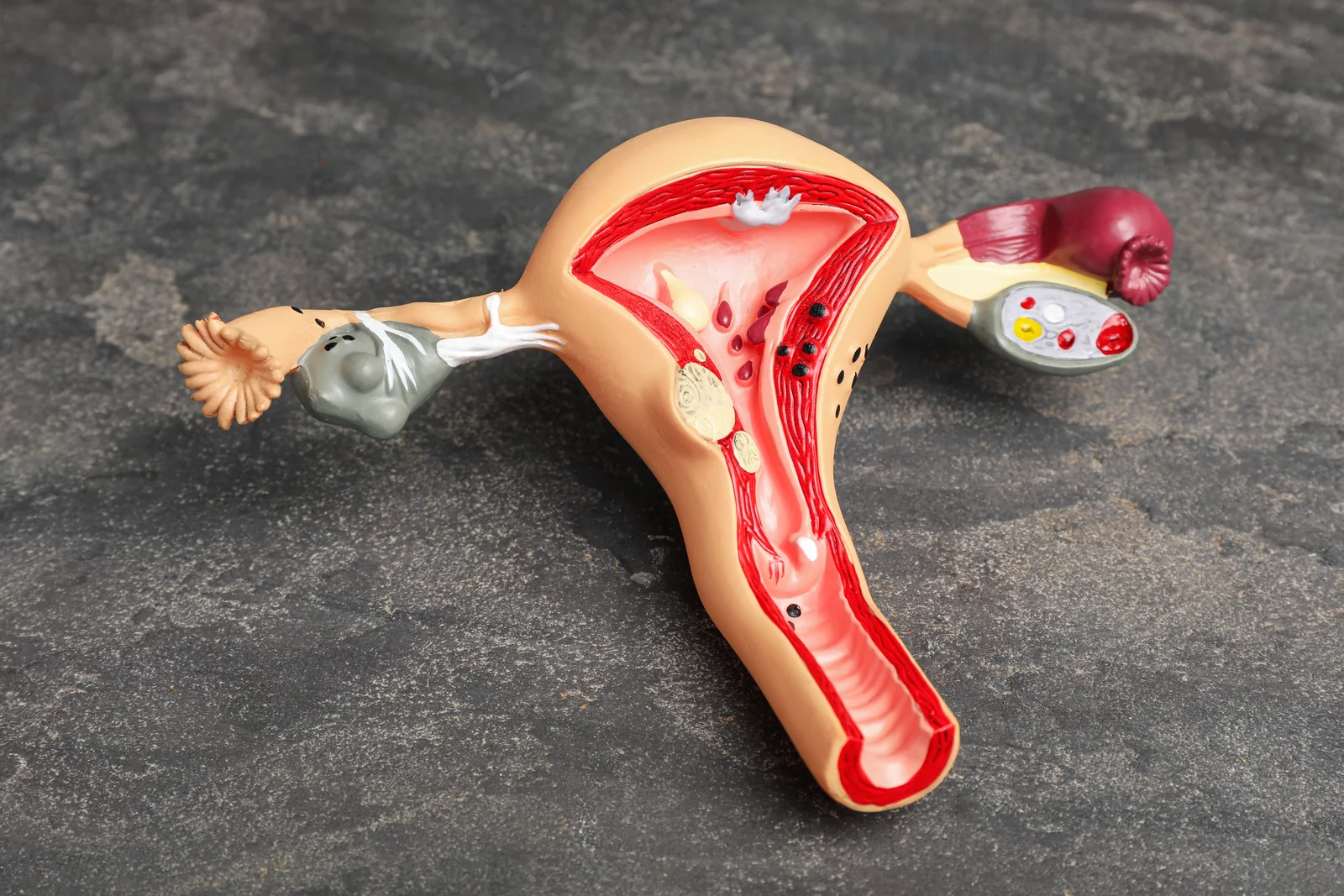 Illustrative image
Loss of support at the top of the vagina is called vaginal vault prolapse. It can occur after hysterectomy and may coexist with other vaginal wall prolapses.
Symptoms and starting the conversation
When symptoms started, how often they recur and their effect on everyday life matter. The examples below are topics you can discuss; they do not establish a diagnosis on their own.
- Vaginal pressure or a bulge
- Support symptoms after hysterectomy
- Urinary or bowel symptoms
How is assessment approached?
Previous surgical records and vaginal, urinary and bowel symptoms help guide consultation. Examination assesses upper vaginal support and any associated areas of prolapse.
Which options are discussed?
Depending on symptoms, observation, a pessary or surgery may be discussed. Surgical approaches are considered in the context of previous procedures, tissue condition and personal priorities.
Risks, limitations and follow-up
Discuss care requirements and limitations as well as expected benefits. Pessaries require suitability assessment and follow-up. Surgical counselling includes bleeding, infection, new or persistent urinary symptoms, pain and possible recurrence. Outcomes should not be promised without relating symptoms to examination findings.
Preparing for your visit
Note when symptoms started, their triggers and their effect on your life. Bring available examination or operation reports and a medication list. Prepare questions about options, the purpose of tests, benefits and risks. Do not enter health records into appointment or contact forms.
Vaginal support remains important after hysterectomy
Vault prolapse affects support of the top of the vagina after hysterectomy. Anterior or posterior defects can coexist. The previous operation report, implanted material and subsequent symptoms help planning.
Options may include a pessary, vaginal suspension or abdominal support procedures. If synthetic material is proposed, counselling should address a permanent implant, exposure, pain and possible further intervention.
Frequently asked questions
Can prolapse occur after hysterectomy?
Support loss can affect the top or walls of the vagina. Previous surgical records help assess the current support.
Can I diagnose myself using this page?
No. Similar symptoms may have different causes. This information helps you prepare for consultation; individual diagnosis and care require assessment.
Make your plan clear.
- Describe how pressure or a bulge changes through the day.
- Ask how observation, support devices and surgery differ for you.
- Discuss an individual plan for daily activities and follow-up.
Follow-up, care and return to everyday activities depend on assessment and the approach chosen. Before leaving, clarify the next step and how to contact the clinic.
Prepare your own list.
Select topics, write your notes in the fields below and download your personal preparation list as a PDF.
Your notes stay on this page; they are not sent to the clinic or saved. They are cleared when you close the page. The PDF may contain personal information; keep it on your own device.