 Illustrative imageSukgen · Women’s health
Pregnancy & birth
Pregnancy care follows maternal health and the baby’s development while creating space for questions and preferences. Appointments are planned around gestation and individual needs.
ExploreSurgical assessment begins with understanding why an operation may be considered and what other approaches exist. Decisions involve diagnosis, personal circumstances and expectations.
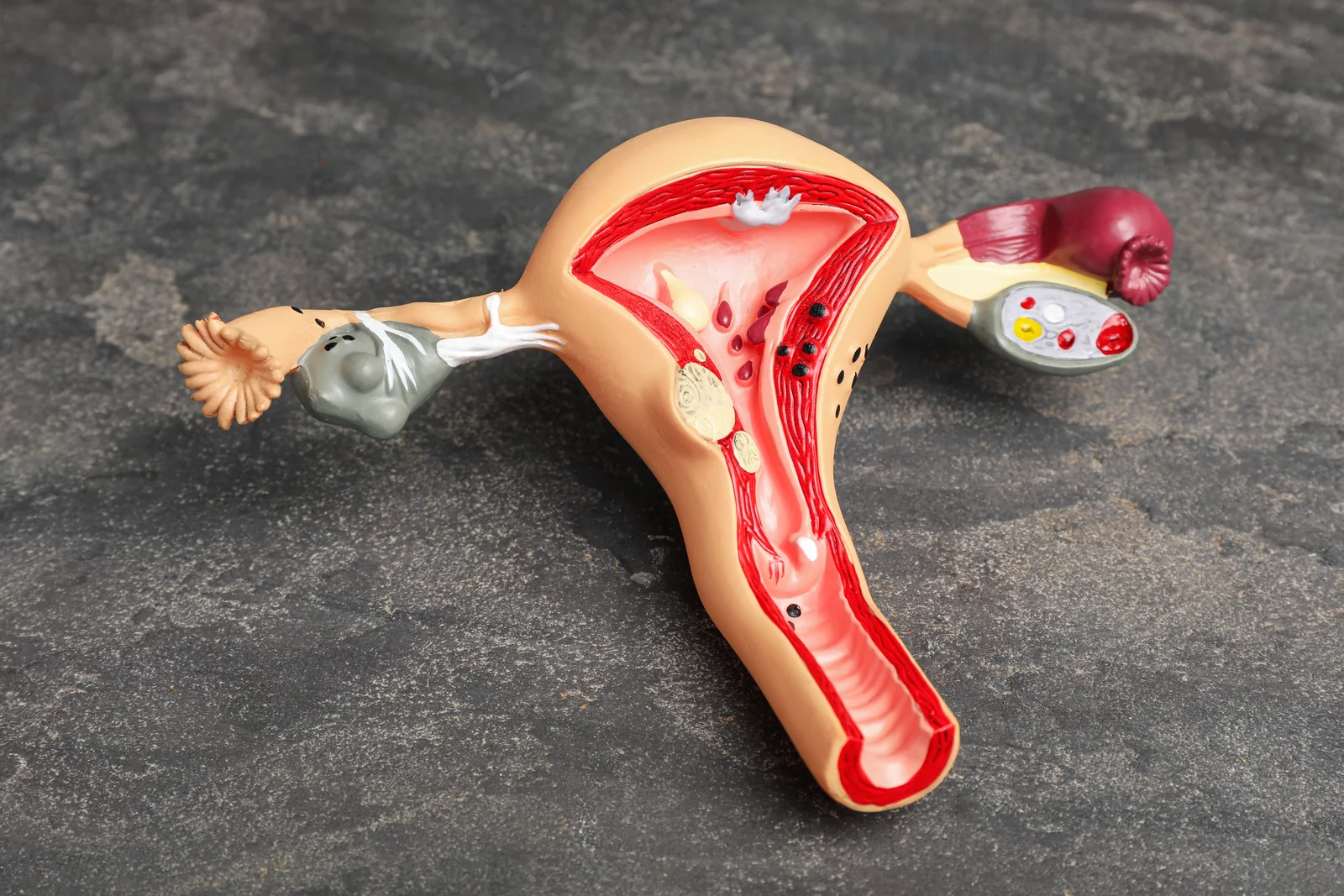 Illustrative image
Surgical assessment begins with understanding why an operation may be considered and what other approaches exist. Decisions involve diagnosis, personal circumstances and expectations.
A finding alone does not automatically require surgery. Symptoms, previous treatment, imaging and health are considered together. Ask what problem an operation aims to address, whether observation is possible and what may happen without treatment. The intended scope should be clear. Discuss future pregnancy plans and preferences about organ preservation before a decision.
Laparoscopic, vaginal and open approaches have different roles. A smaller incision does not guarantee suitability or lower risk for every operation. Ask why an approach is proposed and how the plan might change if circumstances differ. Preserving the uterus, ovaries or other structures are separate questions; one operation name may not explain them all. Write down the intended procedure and scope.
Anaesthesia, bleeding, infection and recovery risks vary with the procedure. Health conditions and earlier operations can affect individual risk. Discuss what each risk means in your circumstances. Expected benefit is not a guaranteed result. Ask for time to review information before deciding. An informed decision includes understanding exactly what you are consenting to.
There is no single schedule for work, driving, exercise or sex after all operations. Discharge advice, medicines and review dates should be individualised. Discuss home support and work in advance. Follow-up can review pathology where relevant, healing and remaining symptoms. Know whom to contact for unexpected or worsening symptoms before surgery.
Some procedures investigate a condition, while others treat an established problem. Both aims may arise in one discussion, making scope important. Ask whether the procedure is diagnostic only or whether intervention is planned at the same time. Laparoscopy names an approach and does not describe every action involved. Discuss how unexpected findings would be handled before surgery. Ask for clarification of unfamiliar consent wording. Previous operation reports may help planning. Clear information reduces uncertainty and helps you express your priorities before a procedure.
Future pregnancy plans should be raised early in the surgical discussion. Questions about preserving the uterus or ovaries are not answered merely by hearing an operation name. Implications of removal or preservation need separate consideration in the context of diagnosis and scope. Ask how the proposed procedure affects reproductive plans and whether another approach is possible. Further investigation or another specialist opinion may sometimes be needed. Expressing preferences does not mean ignoring safety or treatment aims. The goal is understanding options and limitations, including irreversible consequences before consent.
A publication shows that techniques and outcomes have been studied, but does not decide individual care. Participant characteristics, study size, follow-up and comparisons matter. An older technique appearing in a paper is not a reason to use it today. Ask what current evidence says and whether studied patients resemble your situation. Quality of life and sexual function are different from technical success alone. The site’s publications can help explain research areas; they should not be read as promises of a certain outcome or an individual treatment recommendation.
Laparoscopy examines the abdomen, hysteroscopy the uterine cavity, and vaginal surgery uses another route. These terms are neither diagnoses nor interchangeable operation names. Explain what tissue will be preserved, removed or supported.
Discuss non-surgical choices, the likely course without intervention, pathology and follow-up. An operation through small incisions can still be extensive.
No. Diagnosis, the planned procedure and individual circumstances affect suitability.
Timelines are guides and may change with the operation and individual recovery.
No. It describes an approach; the purpose and scope of the planned procedure need separate explanation.
No. Study conditions and your circumstances may differ. Findings need consideration alongside current evidence and individual assessment.
Follow-up, care and return to everyday activities depend on assessment and the approach chosen. Before leaving, clarify the next step and how to contact the clinic.
Illustrative imageSukgen · Women’s healthPregnancy care follows maternal health and the baby’s development while creating space for questions and preferences. Appointments are planned around gestation and individual needs.
Explore Illustrative imageSukgen · Women’s health
A consultation about the genital area involves comfort, health and expectations as well as appearance. The first step is understanding the concern and whether any procedure is needed.
Explore Illustrative imageSukgen · Women’s health
You do not have to accept urinary leakage or pressure as an unavoidable part of life. Before a consultation, note when symptoms occur and how they affect your daily routine.
Explore Illustrative imageSukgen · Women’s health
Sleep, periods and wellbeing may change during the menopause transition. Keeping notes about symptoms and their effects can help your conversation with your doctor.
Explore Illustrative imageSukgen · Women’s health
Preparing questions can help you make the most of a consultation. Bring previous test results, information about operations and a list of medications if available.
ExploreReceive updates about women’s health information articles by email. Joining is entirely your choice.